Dressage for Gaited Horses: Unlocking Natural Movement
Dressage for Gaited Horses: Unlocking Natural Movement
By Jec A. Ballou

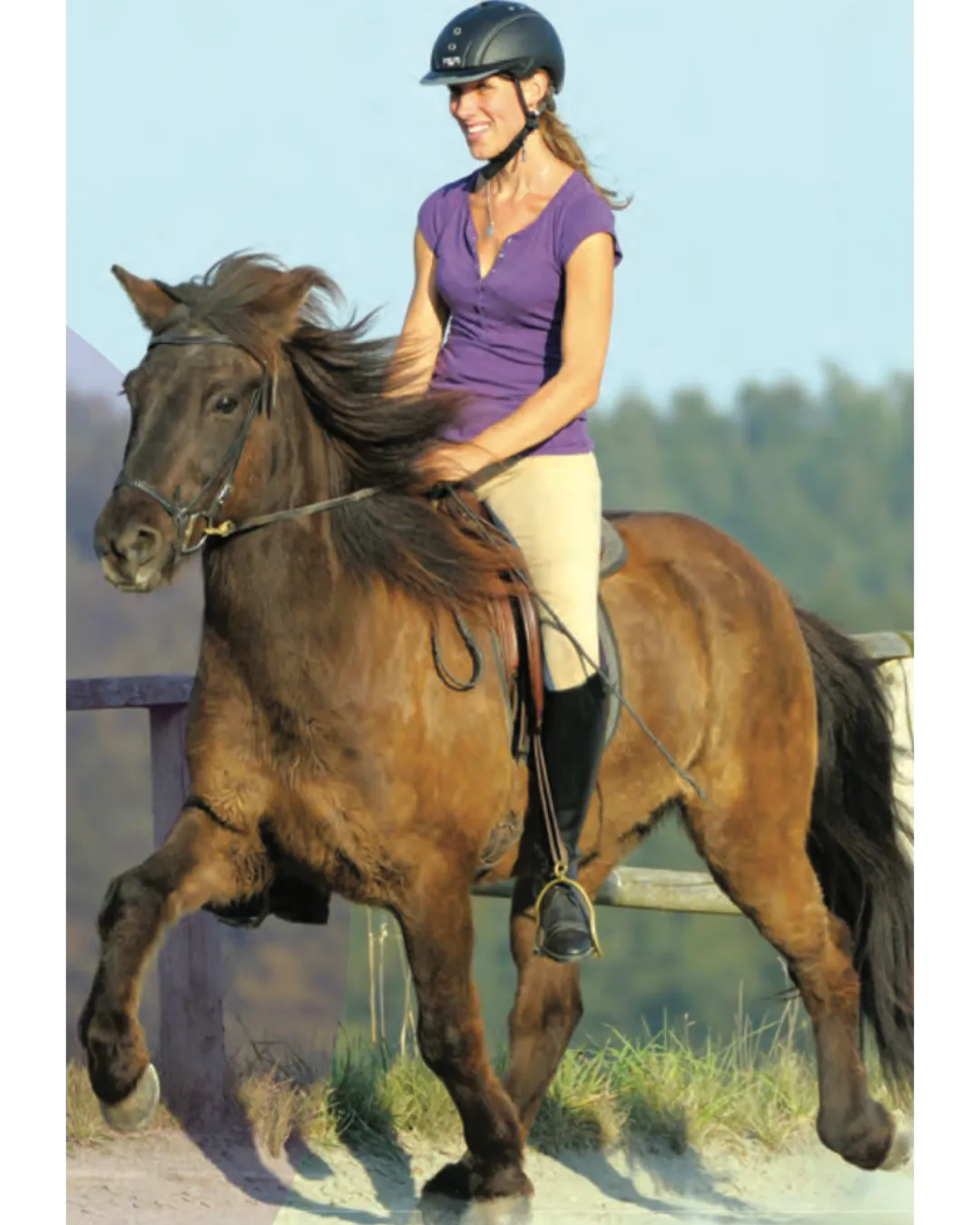
Gaited horses often arrive in my arena because something in their signature movement has gone missing. An Icelandic whose smooth tölt has dissolved into an awkward shuffle. A Foxtrotter who would rather trot than gait. A Tennessee Walker stumbling on trails.
The good news? With the right gymnastic approach, these horses can absolutely recover and even improve the balance, smoothness, and confidence their riders fell in love with. Dressage, practiced thoughtfully, gives gaited breeds the strength and coordination they need to move comfortably and correctly again.
Why Dressage Helps Gaited Horses
Dressage works because it improves the qualities that define how a horse uses its body:
Back Function
Healthy spinal stabilizers allow the horse to transmit power from behind without tension creeping into the topline. A relaxed, lifting back is the key to clear, smooth gaits.
Muscular Symmetry
Many gaited horses are naturally one-sided. Evening out their musculature helps regulate stride length, makes rhythms steadier, and prevents overloading individual limbs.
Neuromotor Patterns
Dressage exercises sharpen coordination. Better foot placement, fewer stumbles, and a steadier posture often appear within weeks of consistent practice.
A Rocky Mountain mare named Stella is a perfect example. She began stumbling dangerously on trails, but after three weeks of proprioceptive warm-ups, the tripping almost disappeared. Skip those routines for a stretch, and the stumbles returned, a reminder that consistency matters.
Exercises That Make the Biggest Difference
These are the dressage tools I return to over and over when helping gaited horses rediscover their best movement.
1. Adjustability Walks
On a large circle, alternate 20 strides in a working frame with 20 strides on a long rein. This teaches the horse to manage its posture, relax the neck, and soften the back, all essential for clean intermediate gaits.
2. Narrow Ground Poles
Place 4–6 poles slightly shorter than the horse’s natural stride. Asking the horse to shorten and organize its steps encourages core engagement and lifts the base of the neck. One Foxtrotter I worked with improved his murky intermediate gait dramatically with this simple routine.
Building Muscular Symmetry
Turns on the Forehand
Aim for even, crossing hind steps in both directions with the neck straight. Most horses are better one way than the other — this exercise helps balance them.
Balanced Figure-Eights
Ride calm, accurate loops that encourage the hind legs to step underneath rather than trail behind. If needed, halt briefly in the center to reorganize rhythm and geometry.
Sharpening Neuromotor Control
Walk-to-Gait Transitions with Poles
Using a four-pole box (pictured on page 65 of the article), transition between walk and gait every 15 strides. This keeps posture organized and prevents tension from sneaking in.
Canter Transitions
Even an imperfect canter helps loosen the lower back, activate the sacroiliac joint, and strengthen the abdominal muscles responsible for carrying weight behind. These transitions often unlock better mechanics across all gaits.
One Tennessee Walker recently surprised his owner by offering his first true canter steps in years. Once his back softened and the mechanics were free again, the canter became available — and with it, smoother, more agile movement in every gait.
The Bottom Line
Dressage for gaited horses is not about changing who they are. It’s about restoring or refining the athleticism, clarity, and comfort that make these breeds such a joy to ride. With two short sessions a week and patient repetition, riders can develop:
- clearer four-beat gait patterns
- improved balance and posture
- fewer stumbles
- smoother, more reliable intermediate gaits
Most importantly, they gain a horse who feels confident and comfortable in its own body again.
